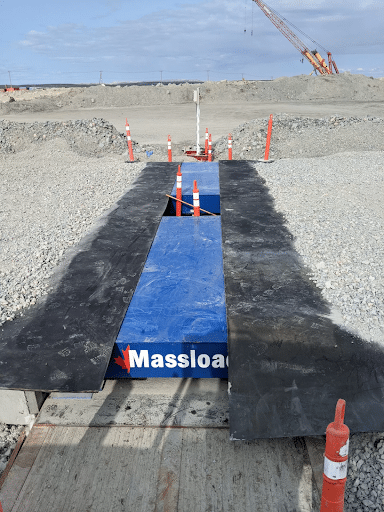
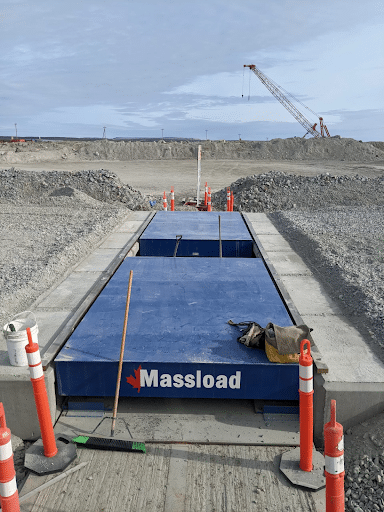
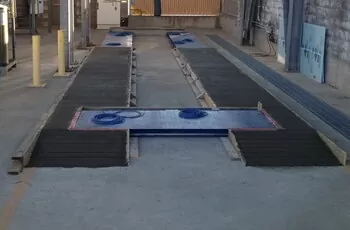
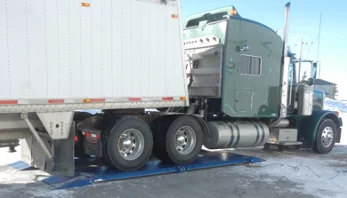
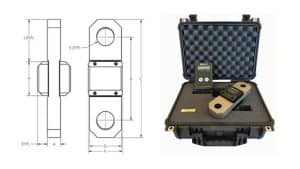
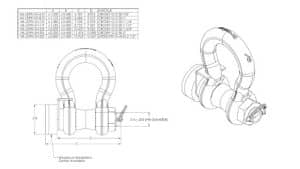
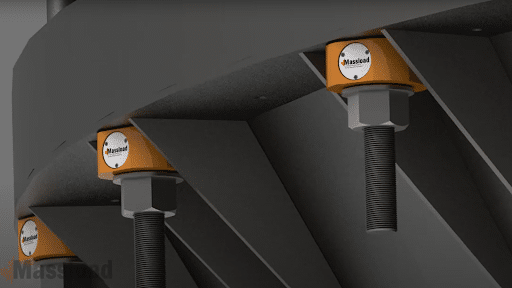
The diverse nature of Nevada’s industrial operations requires multiple weighing methodologies, each optimized for specific applications and operating environments:
General-Purpose Industrial Weighing Systems
For applications where commercial transactions aren’t directly involved but operational accuracy remains critical, general-purpose systems provide reliable measurement without the specific constraints of legal-for-trade certification:
- Operational Optimization: These systems support inventory control, process verification, and quality assurance with accuracy typically ranging from ±0.1% to ±0.5% depending on application requirements.
- Environmental Adaption: Engineered for specific operating environments, these systems incorporate protection against dust, moisture, temperature variations, and other factors that would degrade standard commercial scales.
- Application-Specific Features: From high-resolution measurement for quality control to heavy-duty construction for material handling, these systems are optimized for specific operational requirements rather than regulatory compliance.
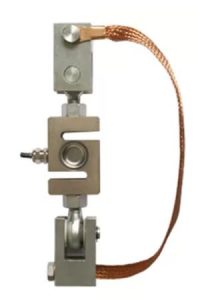
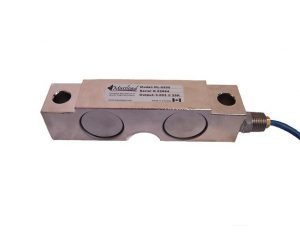
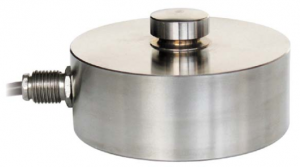
Nevada construction and mining operations utilize these systems for material inventory, batch verification, and equipment loading optimization—improving operational efficiency while reducing material waste and preventing equipment overloading.
On-Board Weighing Systems
Mobile equipment operations require weight measurement integrated directly into vehicles and material handling equipment:
- Real-Time Load Monitoring: Systems provide operators with immediate feedback on current load status, preventing overloading while optimizing capacity utilization.
- Data Integration: Modern systems connect with fleet management software for comprehensive production tracking, maintenance scheduling based on actual loads, and operational optimization.
- Environmental Hardening: These systems must withstand continuous vibration, shock loading, temperature extremes, and exposure to dust and moisture while maintaining accuracy.
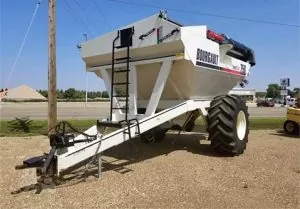
For Nevada’s mining operations, on-board systems provide loader operators with real-time bucket weight data, optimizing truck loading while preventing overloading that could damage equipment or create safety hazards. These systems maintain accuracy despite continuous shock loading, vibration, and dust exposure that rapidly degrades conventional weighing systems.
Tank, Hopper, and Process Batching Systems
Process manufacturing and material handling operations require continuous or batch-based measurement of materials in vessels and flow streams:
- Vessel Weighing: Load cell systems supporting tanks and hoppers provide continuous inventory monitoring and batch control for materials ranging from mining chemicals to food ingredients.
- Loss-in-Weight Feeding: Continuous process control through precise measurement of material depletion rates, critical for consistent product quality and efficient resource utilization.
- Batch Control Integration: Automated systems controlling multi-ingredient processes based on weight verification, ensuring consistent product quality while minimizing material waste.
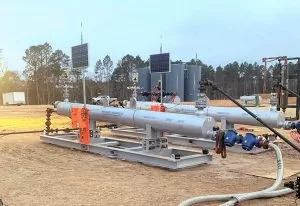
Process batching systems maintain accuracy despite wash-down conditions and temperature variations. Advanced systems incorporate adaptive filtering to compensate for mixer vibration while providing real-time batch verification—improving product consistency while reducing material waste.
Wireless Transmitters and Scale Indicators
Modern industrial operations require seamless data integration between measurement systems and control infrastructure:
- Real-Time Data Access: Wireless technology eliminates the reliability issues associated with long cable runs in harsh environments while providing immediate access to measurement data.
- Distributed Monitoring: Centralized monitoring of multiple measurement points across large operations like mining sites or manufacturing facilities improves operational visibility and decision-making.
- Remote Diagnostics: Advanced systems provide continuous monitoring of weighing system health, identifying potential issues before they cause production disruption.
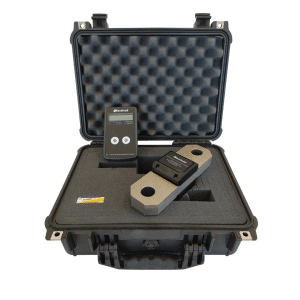
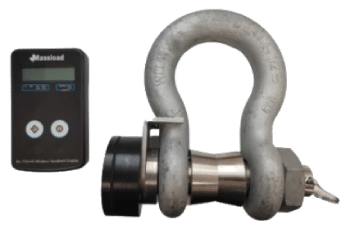
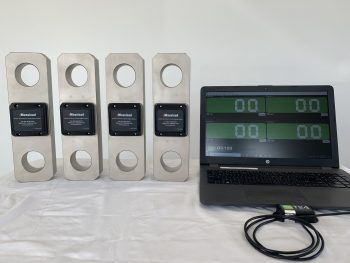
Wireless monitoring systems provide real-time data from multiple measurement points spread across Nevada facilities, eliminating the communication failures experienced with wired systems subjected to electrical noise from heavy equipment. Mesh network architecture ensures reliable communication despite challenging topography and harsh electrical environments.
Custom Electronics and Performance Accessories
Complete industrial weighing systems require specialized supporting components that maintain system integrity in demanding environments:
- Junction Boxes: Not simply connection points—these critical components can include active temperature compensation, individual cell diagnostics, and isolation barriers that maintain signal integrity despite moisture intrusion and electrical noise.
- Custom Cables: Engineered for specific environmental exposures, these include strain relief designed for application-specific motion profiles, jacketing compounds selected for chemical/UV/abrasion resistance, low temperature ratings, and shield termination methods that maintain signal integrity in high-noise environments.
- Signal Conditioning: Raw strain gauge signals require appropriate amplification, filtering, and conversion to maintain accuracy through industrial environments, with options including 4-20mA current loops for noise immunity, voltage outputs for control systems, and digital protocols for PLC integration.
Engineered connection systems eliminate intermittent measurement errors that plague standard installations. Custom solutions incorporate chemical-resistant compounds, multi-level shielding, and moisture protection specific to operating environments—transforming measurement system reliability without replacing primary sensing elements.